
 EN
 English
 Español
 Deutsch
Relaxmove
Relaxmove
Relaxmove
Relaxmove
Relaxmove
Relaxmove
Relaxmove
Relaxmove
Relaxmove
An eighty-year-old driver does not need a faster vehicle. They need one that is easier to get into, easier to see out of, and easier to stop. The electric mobility car for elderly drivers is built around those three things. The enclosure keeps the weather off. The controls fit the hands that may not grip like they used to. The battery covers the daily route. The vehicle is not a car and not a scooter. It is the answer to a specific set of problems.
Getting In and Out Is the First Test
The door has to open wide. The seat has to swivel toward the door. The step-in height has to be low enough that the driver does not have to climb. A vehicle that is hard to enter is a vehicle that stays in the garage.
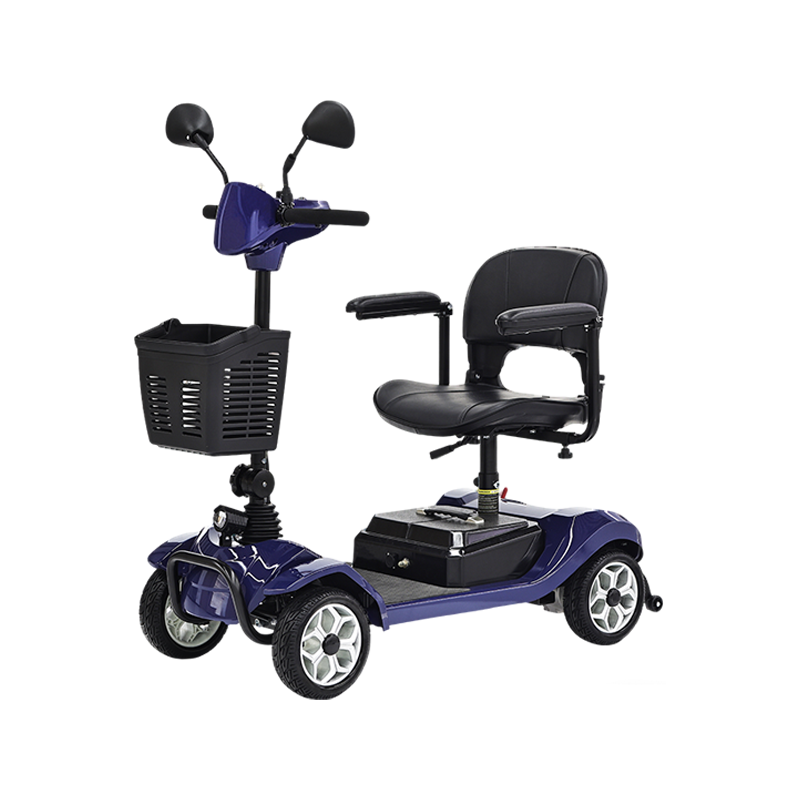
The seat height and the door width decide the entry. The elderly driver who uses a cane or a walker needs the room to maneuver. The mobility car with the wide door and the swivel seat supports the driver who enters and exits without help. The seat that swivels back and locks into the driving position keeps the driver safe once inside.
Seeing Out Matters as Much as Seeing In
The windshield has to be large and the pillars thin. The mirrors have to be positioned for the driver who does not turn the neck as far as they used to. The rear visibility matters for the backup.
The elderly driver who cannot see the curb does not park well. The vehicle with the good sightlines and the large mirrors reduces the stress of the daily drive. The backup camera, when present, adds the second view of the space behind the vehicle.
Stopping Is the Safety Question
The brake has to be progressive and predictable. The elderly driver may have a slower reaction time. The brake that grabs suddenly or fades under the foot erodes the confidence. The regenerative brake and the hydraulic disc brake together give the controlled stop.
The parking brake has to engage with the light effort. The driver with the reduced grip strength cannot pull a stiff lever. The parking brake that works with a light touch is the one the driver uses every time.
Here is what an electric mobility car for elderly drivers has to deliver:
- Wide door with the low step-in height
- Swivel seat that adjusts and locks
- Large windshield and the well-positioned mirrors
- Progressive brake with the light-effort parking brake
- Hand-operated throttle and brake within reach
- Battery range for the daily errands
The Route Is the Neighborhood
The pharmacy, the grocery, the doctor, the family. The daily trip is short and familiar. The vehicle that handles the short trip comfortably is the one that keeps the routine. The driver who is warm and dry uses the vehicle more often than the driver who is exposed to the weather.
The charging is the nightly routine. The vehicle plugs into a standard outlet. The charge time runs from four to eight hours. The driver who plugs in every night does not worry about the range.
The Failure That Ends the Use
The battery fades and the range drops below the round trip. The seat stops swiveling and the driver cannot get in. The brake becomes hard to press. Each one ends the use of the vehicle. The buyer who checks the battery, the seat, and the brake before the purchase keeps the routine.
An electric mobility car for elderly drivers solves a specific set of problems. The entry, the sightlines, and the stop matter more than the top speed. Choose a vehicle that is built around the driver, not around the spec sheet.